Kısaca
- Caltech'e göre ASTRA adlı robot, yörüngede astronot yardımı olmadan bir anten yapısının yeni bir bölümünü kurdu ve bu, uzayda otonom inşaatın ilk örneği oldu.
- Görev aralık ayında sona ereceği için antenin tamamı büyük olasılıkla bitirilemeyecek, ancak ekip deneyin yöntemin işe yaradığını gösterdiğini söylüyor.
- Metin, bilim haberlerinde sık geçen 'in orbit', 'proof of concept', 'pave the way for' gibi ifadeleri ve edilgen yapıyı (was funded by) öğrenmek için iyi bir fırsat.
Uzayda yapı inşa eden robot artık bir bilim kurgu fikri değil: Caltech'in ASTRA robotu yörüngede astronot yardımı olmadan bir anten parçası kurdu. Uzay robotu hakkındaki bu İngilizce haberi Temel, Orta ya da İleri seviyede oku, sonra Türkçe rehberle kelimeleri pekiştir.
Metni oku
Seviyeni seç
A robot built part of a structure in space. No astronauts helped it. According to Caltech, this was a first. Caltech is a US university. It shared the news on 5 November 2026.
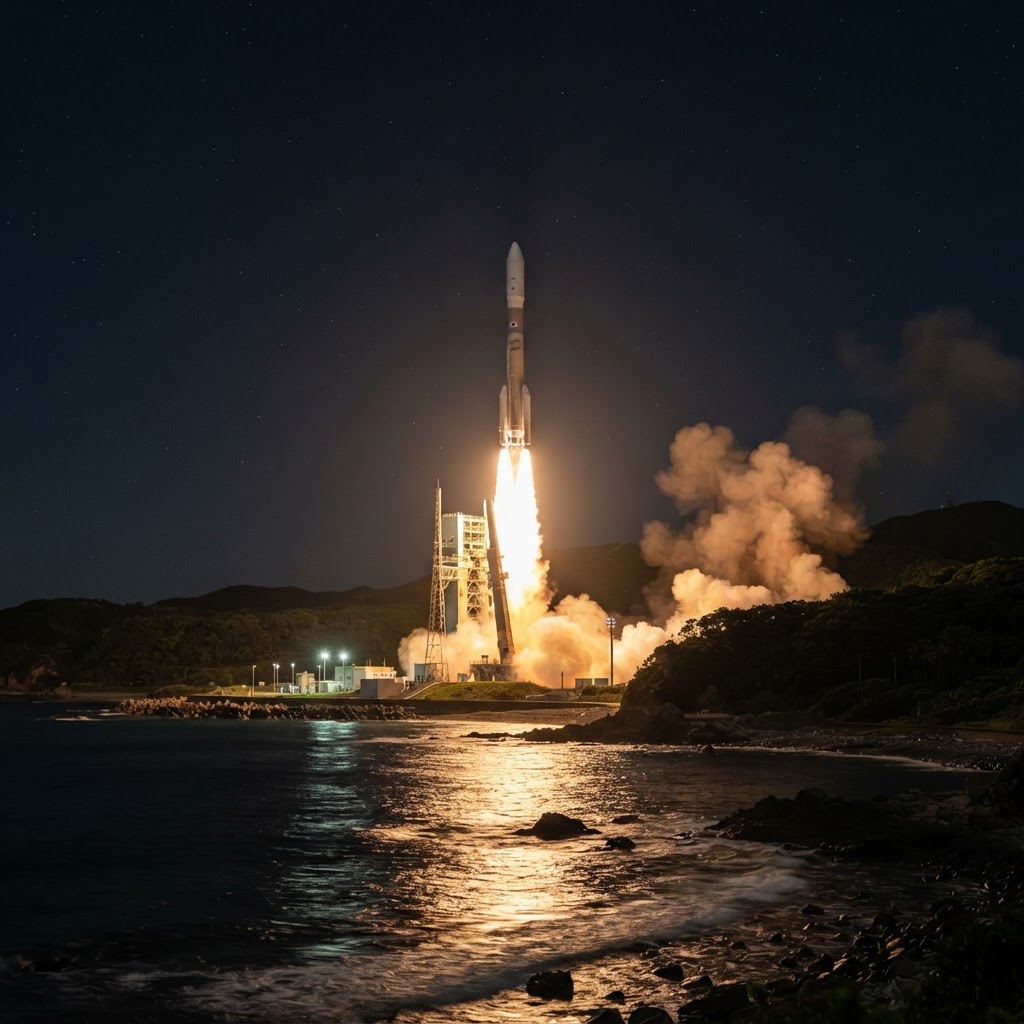
The project is called ASTRA. A US defence agency called DARPA paid for it. ASTRA went to space on a rocket on 30 March 2026. It flew into low orbit around the Earth.
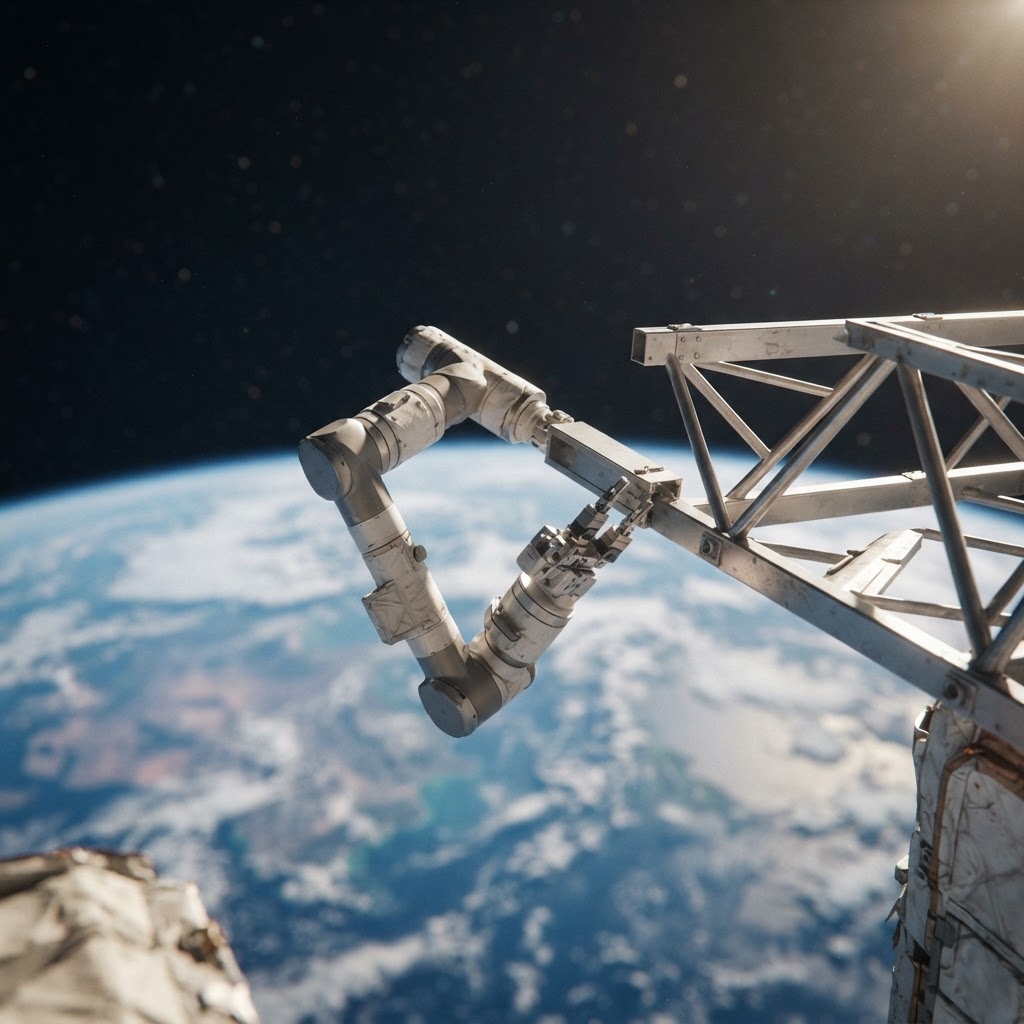
The robot's arm picks up tubes and joints and puts them together. The plan was to build an antenna 1.4 meters wide. The full antenna needs 11 sections. ASTRA went to space with two sections. In space, the robot built a third section.
The mission ends in December. The team will probably not finish the whole antenna. But the test showed that the idea works.
The engineers talked to the robot about seven or eight times a day. Each time was about 15 minutes. They had a twin robot in their lab. When there was a problem, they tested a fix on the twin first.
Very big things do not fit in a rocket. In the future, robots could build very big things in space. These could be telescopes, antennas and solar panels.
For the first time, a robot has assembled part of a structure in space without the help of astronauts. The robot was designed and built by researchers at Caltech, the California Institute of Technology, which announced the result on 5 November 2026.
The project, called ASTRA, was funded by DARPA, a US defence research agency. It was launched on 30 March 2026 on a SpaceX rocket and went into low-Earth orbit, together with nine other payloads on the same vehicle.
The payload is roughly one cubic meter in size. Inside, a robotic arm picks up tubes and joints from motorized dispensers and puts them together into repeating sections called bays. These bays form a frame known as a truss. The final goal was a reflector antenna 1.4 meters wide, which needs 11 bays. ASTRA left Earth with two bays already built, and in orbit the robot added a third.
The work was not easy. Engineers on the ground could contact the robot only seven or eight times a day, for about 15 minutes each time, and they checked photos from space before sending new commands. When something went wrong, they recreated the problem on an identical twin robot in their lab, tested a fix there and then sent it up.
Because of time limits, the full antenna will probably not be finished before the mission ends in December. However, the team says the experiment showed that the method works.
This matters because rockets limit the size of what we can send to space. Building in orbit could one day make huge telescopes, large antennas and very large solar panels possible.
Until now, anyone hoping to put a large structure into space has faced a stubborn constraint: it had to fit inside a rocket. Engineers have worked around this in two ways, either by folding a structure for launch and unfolding it in orbit, or by relying on astronauts to piece it together by hand. A small robot built at Caltech has now demonstrated a third option.
According to Caltech, which announced the result on 5 November 2026, its robotic truss builder became the first machine to assemble a structure in space autonomously. The project, known as ASTRA (Autonomous In-Space Tensioned Reflector Assembly), was funded by DARPA through its NOM4D program and lifted off on 30 March 2026 from Vandenberg Space Force Base, riding to low-Earth orbit as one of ten payloads aboard Momentus's Vigoride 7 vehicle.
Packed into roughly a cubic meter, the payload contains a robotic arm that draws composite tubes and aluminum joints from motorized dispensers and fits them into repeating sections, or bays, of a supporting truss. The ultimate aim was a 1.4-meter reflector antenna requiring 11 bays. ASTRA launched with two already in place, and the robot completed a third in orbit.
Operating it was hardly straightforward. As Caltech describes it, the team could reach the robot only seven or eight times a day, in windows of about 15 minutes, and studied images from orbit before issuing each command. To troubleshoot faults, they reproduced them on an identical twin in the lab, tested a solution there and only then transmitted it to space.
Time limitations meant that only the first new section could be built, and with the mission ending in December, the full truss will probably remain unfinished. Nevertheless, the researchers regard the experiment as a proof of concept.
The ambitions behind it are far larger. According to New Atlas, DARPA program manager Andrew Detor said the program aims for structures hundreds of meters or even kilometers across, adding that nothing remotely close to that scale can be built today. If the approach scales up, it could pave the way for vast telescope mirrors, large communication antennas and enormous solar arrays gathering power in space.
Aynı metin üç seviyede yazıldı. Önce kendi seviyeni oku, sonra bir üst seviyeyi dene.
Uzayda yapı inşa eden robot: ne oldu?
Caltech'e göre, üniversitenin araştırmacılarının tasarlayıp ürettiği ASTRA adlı robot, astronot yardımı olmadan yörüngede bir yapı parçası kurdu. Kurum bunu 5 Kasım 2026'da duyurdu ve uzayda otonom olarak yapılan ilk inşaat olarak tanımladı. Projeyi ABD savunma araştırma ajansı DARPA finanse etti.
Robotun kolu, tüpleri ve bağlantı parçalarını alıp birleştiriyor ve "bay" denen, tekrar eden bölümler oluşturuyor. Hedef, 1,4 metre genişliğinde bir anten ve bunun için 11 bölüm gerekiyor. ASTRA uzaya iki bölüm hazır olarak gitti, üçüncüsünü yörüngede kendisi kurdu. Görev aralık ayında bitiyor, bu yüzden antenin tamamı büyük olasılıkla tamamlanmayacak. Yine de ekip yöntemin işe yaradığını söylüyor.
Neden önemli? Bugün uzaya gönderilen her şey roketin içine sığmak zorunda. Yörüngede inşaat, ileride dev teleskop aynalarının, büyük iletişim antenlerinin ve uzayda enerji toplayan güneş panellerinin önünü açabilir.
Metinden 5 faydalı ifade
| İngilizce | Türkçe | Örnek |
|---|---|---|
| without the help of | ...in yardımı olmadan | I fixed my bike without the help of my brother. |
| in orbit | yörüngede | The station has been in orbit for years. |
| troubleshoot | sorunu bulup çözmek | Can you help me troubleshoot my laptop? |
| proof of concept | kavram kanıtı, fikrin işe yaradığını gösteren deneme | The first app was only a proof of concept. |
| pave the way for | önünü açmak, zemin hazırlamak | This idea could pave the way for cleaner cities. |
Gramer notu: edilgen yapı (passive voice)
Bilim haberlerinde işi kimin yaptığından çok, ne yapıldığı önemlidir. Bu yüzden metinde edilgen yapı sık geçer:
- The robot was designed and built by researchers at Caltech.
- The project was funded by DARPA.
- It was launched on 30 March 2026.
Kalıp basit: was/were + fiilin üçüncü hali (V3). İşi yapanı da söylemek istersen cümlenin sonuna by ve kişiyi eklersin. Kendi cümleni kur: "My house was built in 1990."
İpucu: Haber okurken edilgen cümlelerin altını çiz. Kısa sürede bu yapıyı fark etmeye ve kullanmaya başlarsın.
Nasıl pratik yaparsın?
- 1Önce kendi seviyendeki metni oku, sonra bir üst seviyeye geç ve aynı bilgilerin nasıl farklı anlatıldığına bak.
- 2Tablodaki beş ifadeyle kendi hayatından birer cümle yaz.
- 3Haberi bir dakikada sesli özetle ve kendini kaydet.
- 4Hangi seviyeden başlayacağını bilmiyorsan ücretsiz seviye testini çöz. Günlük dinleme ve konuşma için Pratik Yap ile ilk üniteden ücretsiz başlayabilirsin.
Okuduğun haberleri bir öğretmenle konuşarak pekiştirmek istersen birebir canlı online İngilizce kursu seçeneklerine göz atabilirsin. Benzer bir uzay haberi için Voyager 1 haberini de okuyabilirsin.
Anahtar kelimeler
assemblefiilmonte etmek, parçaları birleştirerek kurmak
The robot assembled a small frame in orbit.
orbitisimyörünge
The satellite has been in orbit for two years.
trussisimkafes yapı, taşıyıcı çerçeve
Engineers use a truss to make a structure strong and light.
payloadisimfaydalı yük (roketin taşıdığı cihaz veya kargo)
The rocket carried ten payloads into space.
launchfiilfırlatmak
They launched the rocket early in the morning.
troubleshootfiilsorunu bulup çözmek, arıza gidermek
The team troubleshot the problem in the lab first.
proof of conceptkalıpfikrin işe yaradığını gösteren deneme, kavram kanıtı
The small test was a proof of concept for a much bigger project.
pave the way forkalıpbir şeyin önünü açmak, zemin hazırlamak
This experiment could pave the way for giant telescopes in space.
Kaydettiğin kelimeler bu cihazda saklanır.
Öğretmeninle konuş
Tartışma soruları
- 1Why do you think it is useful to build structures in space instead of on Earth?
- 2Would you prefer robots or astronauts to do dangerous work in space? Explain your choice.
- 3The team tested every fix on a twin robot first. When have you tested something carefully before doing it for real?
- 4If robots could build anything in orbit, what would you like to see built, and why?
Bu soruları ücretsiz deneme dersinde öğretmeninle konuşabilirsin.
Sık sorulan sorular
Metin üç seviyede yazıldı: Temel (A1-A2), Orta (B1-B2) ve İleri (C1). Kendine en rahat gelen seviyeyle başla, anladıktan sonra bir üst seviyeyi dene. Seviyeni bilmiyorsan 25 soruluk ücretsiz seviye testi yaklaşık 10 dakikada sonucu A1 ile C1 arasında gösterir.
Evet, çünkü kelimeleri gerçek bir bağlam içinde görürsün. Bilim haberlerinde 'orbit', 'launch' ya da 'assemble' gibi kelimeler sürekli tekrar eder, bu da onları akılda tutmayı kolaylaştırır. En iyi sonucu, okuduğunu sesli özetleyip yeni kelimelerle cümle kurarak alırsın.
'Truss' kafes yapı ya da taşıyıcı çerçeve, 'orbit' yörünge, 'payload' ise roketin taşıdığı cihaz veya yük demektir. Bu üç kelime uzay ve mühendislik haberlerinde çok sık geçer.
Hayır. Caltech'e göre zaman sınırları nedeniyle robot yalnızca ilk yeni bölümü kurabildi ve görev aralık ayında sona ereceği için tam yapı büyük olasılıkla tamamlanmayacak. Ekip yine de deneyin yöntemin işe yaradığını gösterdiğini söylüyor.
Kaynaklar
- Caltech Robotic Space Demo Successfully Builds in Space · California Institute of Technology (Caltech), 2026-11-05
- A robot just built a structure in space for the first time · New Atlas, 2026-11-10
- A robot has built a structure in space for the first time. Here's why it matters · ThePrint, 2026-11-10
İngilizce konuşmaya bu hafta başla
25 dakikalık birebir deneme dersi ücretsiz. Kart bilgisi istemiyoruz.