Kısaca
- Oxford Üniversitesi'nden bir ekip, 60 protein biriminden oluşan virüs benzeri bir parçacığın kendini nasıl kurduğunu molekül molekül izledi ve sonuçları Nature dergisinde yayımladı.
- Parçalar önce zayıf bağlarla deneme yanılma yapıyor, beş yapı taşı kapalı bir halka oluşturunca ilk sağlam yapı ortaya çıkıyor ve büyüme hızlanıyor.
- Metinden trial and error, building block ve lock into place gibi günlük hayatta da kullanabileceğin kalıpları ve itself, themselves gibi dönüşlü zamirleri öğreneceksin.
Virüsler nasıl oluşur, kabuklarını kimse yönetmeden nasıl kurar? Oxford Üniversitesi'nden bir ekip bu süreci molekül molekül izlemeyi başardı. Virüsler üzerine bu İngilizce haber okuma metninde aynı hikâyeyi üç seviyede bulacaksın. Kendine uygun seviyeyi seç, oku, sonra Türkçe rehberle kalıpları pekiştir.
Metni oku
Seviyeni seç
Viruses are very, very small. They keep their genes inside a shell. This shell is called a capsid. It is made of many small protein pieces.
The pieces build the shell by themselves. Nobody tells them what to do. But how do they do it? Scientists asked this question for many years.
Now a team at the University of Oxford has an answer. They watched a virus-like shell build itself, one molecule at a time. Their study was in the journal Nature.
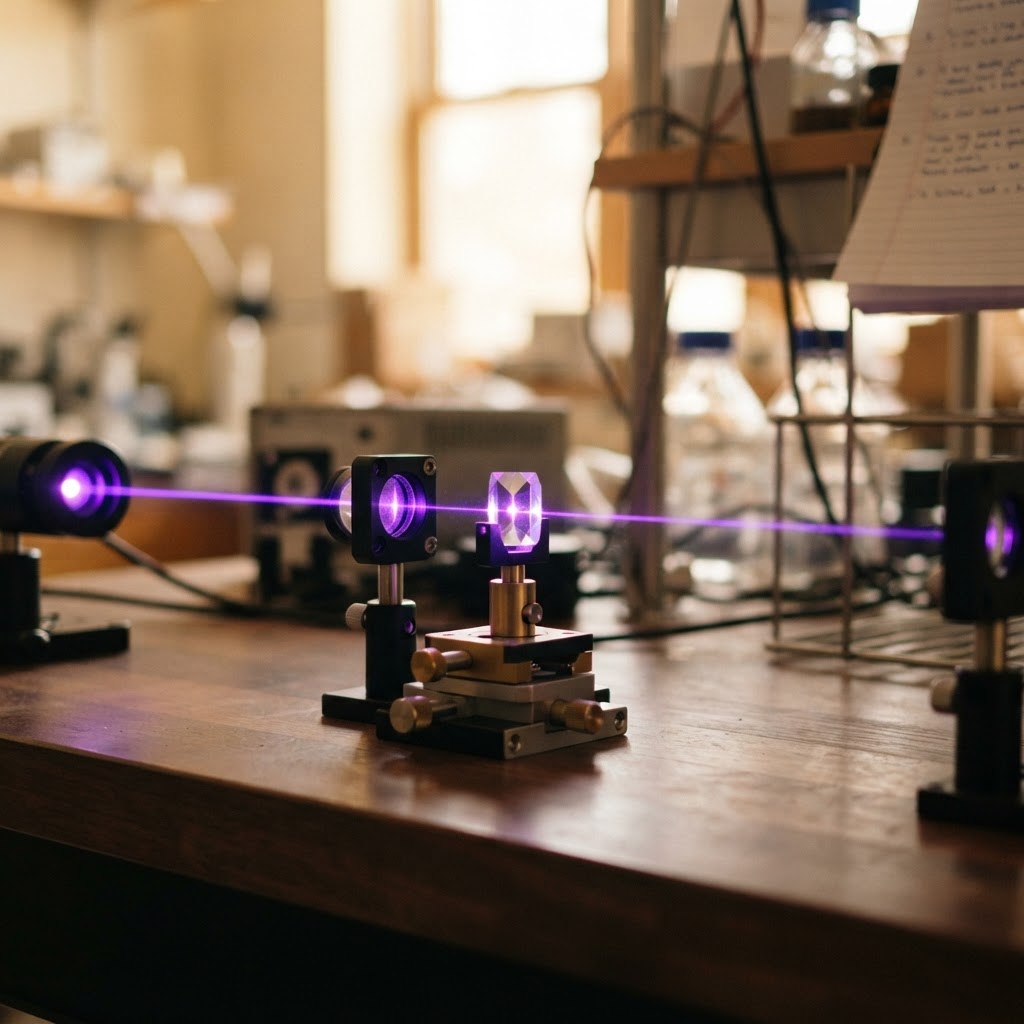
The team used a special tool. It weighs very small things with light. One scientist said it was like taking a video.
The shell had 60 small pieces. They made 20 bigger blocks. At first, the pieces held each other weakly. When a piece was in the wrong place, it came off. Then it tried again in a new place. Scientists call this trial and error.
Then five blocks made a closed ring. This ring was very strong. After that, the shell grew much faster.
This is good news for science. One day, it may help scientists make new medicines and vaccines.
Viruses carry their genetic material inside protein shells called capsids. A capsid can be made of tens or even thousands of protein pieces, and these pieces often put themselves together without outside help. Although scientists have studied this process for decades, they have struggled to watch it directly, because the structures that form along the way last only a short time and appear in tiny amounts.
According to ScienceDaily, a team at the University of Oxford has now managed to watch a virus-like particle build itself, one molecule at a time. Their study was published in the journal Nature on 16 September 2026.
The particle they studied is made of 60 identical protein units, grouped into 20 building blocks. To follow its assembly, the team used mass photometry, an Oxford technique that weighs single molecules by measuring the light they scatter. They also developed a new way to trap one molecule and watch it continuously as more proteins were added.
What they saw was a process of trial and error. At first, the pieces join with weak connections that break easily if the arrangement is wrong, so they can keep trying new combinations. The researchers compare this to finding a path through a maze. The key moment comes when five blocks lock into place as a closed ring. This is the first highly stable structure, and after it forms, the particle grows much faster. This helps explain why the first step, called nucleation, is so difficult, and why growth speeds up so much once it is over.
The team believes this knowledge could eventually help scientists develop medicines that stop viruses from building their shells, as well as design virus-like particles for vaccines.
For decades, scientists have known that many viruses pull off a remarkable feat of engineering. Their genetic material is packed inside a protein shell, or capsid, made of anything from tens to thousands of pieces, and in many cases those pieces assemble themselves without any outside machinery or blueprint. Watching it happen, however, has proved stubbornly difficult: the intermediate structures are fleeting and present in such tiny quantities that they slip through the net of conventional techniques.
Now, according to ScienceDaily, researchers at the University of Oxford have observed the process one molecule at a time. Their findings, published in Nature on 16 September 2026, focus on an engineered virus-like particle built from 60 identical protein units. These are arranged into 20 three-part building blocks that together form a dodecahedron, a shape with twelve pentagonal faces.
The team relied on mass photometry, a technique pioneered at Oxford that weighs individual molecules by measuring the light they scatter, and paired it with a new method for trapping a single molecule so that it could be watched continuously as proteins were added. Dan Loewenthal, a PhD student and one of the paper's co-first authors, likened the approach to simply taking a video of the assembly.
What emerged was a picture of molecular trial and error. Early on, the pieces cling to one another through weak bonds that readily break if the arrangement is wrong, leaving them free to explore new combinations, much like someone feeling their way through a maze. Only when several connections hold a closed structure together does it become truly stable. The turning point arrives when five blocks lock into place as a pentagonal ring. Once that hurdle is cleared, each subsequent stable stage requires fewer additional blocks, and growth gathers pace. This sheds light on why nucleation, the very first step, is so hard to get past.
The implications reach well beyond curiosity. Understanding which interactions govern assembly could eventually inform drugs that stop viruses from building their shells, as well as the design of virus-like particles for vaccines. And because self-assembly is everywhere in biology, from the internal skeletons of cells to large protein complexes, the method may open doors to studying many other structures.
Aynı metin üç seviyede yazıldı. Önce kendi seviyeni oku, sonra bir üst seviyeyi dene.
Virüsler nasıl oluşur? Haberin kısa özeti
Virüsler genetik malzemelerini kapsid adı verilen bir protein kabuğunun içinde taşır. Bu kabuk, virüse göre onlarca hatta binlerce parçadan oluşabilir ve çoğu zaman parçalar dışarıdan bir yardım olmadan bir araya gelir. ScienceDaily'nin aktardığına göre Oxford Üniversitesi'nden bir ekip, 60 protein biriminden oluşan, laboratuvarda tasarlanmış virüs benzeri bir parçacığın kendini nasıl kurduğunu molekül molekül izledi. Çalışma 16 Eylül 2026'da Nature dergisinde yayımlandı.
Ekibin gördüğü şey bir deneme yanılma süreciydi: parçalar önce zayıf bağlarla tutunuyor, yanlış yerdeyse kopup yeniden deniyor. Beş yapı taşı kapalı bir halka oluşturduğunda ilk sağlam yapı ortaya çıkıyor ve büyüme hızlanıyor. Araştırmacılar bu bilginin ileride virüslerin kabuk kurmasını engelleyen ilaçlara ve aşı tasarımına katkı sağlayabileceğini söylüyor.
Metinden 5 işe yarar kalıp
| İngilizce | Türkçe | Örnek |
|---|---|---|
| trial and error | deneme yanılma | I fixed my bike by trial and error. |
| building block | yapı taşı | Short sentences are the building blocks of good writing. |
| lock into place | yerine oturmak | The last piece locked into place. |
| build itself | kendi kendini kurmak | The shell builds itself. |
| shed light on | aydınlatmak, açıklığa kavuşturmak | This report sheds light on the problem. |
İpucu: "trial and error" genellikle "by" ile kullanılır: learn something by trial and error.
Gramer notu: itself ve themselves
Metinde sık geçen dönüşlü zamirler (reflexive pronouns), eylemi yapanla eylemden etkilenenin aynı olduğunu gösterir.
- The shell builds itself. (Kabuk kendini kuruyor.)
- The pieces put themselves together. (Parçalar kendi kendine bir araya geliyor.)
- The pieces build the shell by themselves. (Parçalar kabuğu kendi başlarına kuruyor.)
"by + dönüşlü zamir" yapısı "tek başına, yardımsız" anlamı katar: *I learned to swim by myself.* Özne tekil bir şeyse (it) itself, çoğulsa (they) themselves kullanırsın. Myself, yourself, himself, herself ve ourselves da aynı mantıkla çalışır.
Nasıl pratik yaparsın?
- 1Önce seviyeni öğren: ücretsiz seviye testi 25 sorudan oluşur ve yaklaşık 10 dakika sürer.
- 2Kendi seviyendeki metni sesli oku, sonra bir üst seviyeye geç ve yeni kelimeleri işaretle.
- 3Tablodaki beş kalıpla kendi hayatından birer cümle yaz.
- 4Haberi birine üç cümleyle anlat. Bunun için ücretsiz deneme dersine katılabilir, günlük dinleme ve konuşma için Pratik Yap ile çalışabilirsin.
Benzer bir bilim haberi okumak istersen nükleer saatler yazımıza da göz at.
Anahtar kelimeler
build itselfkalıpkendi kendini inşa etmek, kendiliğinden oluşmak
The shell builds itself without any help.
building blockisimyapı taşı
Words are the building blocks of a language.
trial and errorkalıpdeneme yanılma
I learned to cook by trial and error.
blueprintisimplan, taslak, kroki
The engineers followed a detailed blueprint.
lock into placekalıpyerine oturmak, sabitlenmek
Press the lid until it locks into place.
stablesıfatsağlam, kararlı, dengeli
The new structure is much more stable.
shed light onkalıpaydınlatmak, açıklığa kavuşturmak
The study sheds light on how viruses grow.
fleetingsıfatgeçici, kısa süren
It was only a fleeting moment, but I remember it.
Kaydettiğin kelimeler bu cihazda saklanır.
Öğretmeninle konuş
Tartışma soruları
- 1The researchers compare self-assembly to finding a path through a maze. What other comparison would you use to explain it?
- 2Can you think of something you learned by trial and error? How did it go?
- 3Why do you think the first step of building something, like starting a new habit, is often the hardest?
- 4Should governments spend more money on basic science that may only be useful many years later? Why or why not?
Bu soruları ücretsiz deneme dersinde öğretmeninle konuşabilirsin.
Sık sorulan sorular
Virüsler genetik malzemelerini kapsid denen bir protein kabuğunda saklar. Bu haberdeki araştırmaya göre kabuğun parçaları çoğu zaman dışarıdan bir makine ya da yardım olmadan kendiliğinden bir araya gelir. Parçalar önce zayıf bağlarla deneme yanılma yapar, sağlam bir halka oluşunca da büyüme hızlanır.
Metin üç seviyede yazıldı: Temel (A1-A2), Orta (B1-B2) ve İleri (C1). B1 düzeyindeysen Orta metinle başlayabilirsin. Hangisinin sana uygun olduğundan emin değilsen önce ücretsiz seviye testini çözebilirsin.
Seviyene uygun bir metin seçersen zor olmaz. Bilim haberleri trial and error ya da building block gibi günlük hayatta da kullanılan kalıplarla doludur. Önce kolay seviyeyi okuyup sonra bir üst seviyeye geçmek kelimeleri bağlam içinde öğrenmeni sağlar.
Speakup Online'ın ücretsiz seviye testi 25 sorudan oluşur ve yaklaşık 10 dakika sürer. Sonuç A1 ile C1 arasında bir seviye olarak gösterilir. Böylece hangi metinle başlayacağını bilirsin.
Kaynaklar
- Oxford scientists discover how viruses build themselves without a blueprint · ScienceDaily (materials from the University of Oxford), 2026-10-22
- Molecular-level observation of the self-assembly of a virus-like particle · Nature, 2026-09-16
İngilizce konuşmaya bu hafta başla
25 dakikalık birebir deneme dersi ücretsiz. Kart bilgisi istemiyoruz.